Agricultural residue
Rice husk, straw, stalk and similar crop residue evaluated for consistent carbonization.

.png "Proveg Engineering")
Pyrolysis-based carbonization machinery configured for biochar — from feedstock preparation and controlled carbonization through cooling and sizing suited to soil amendment, composting and carbon-sequestration applications.
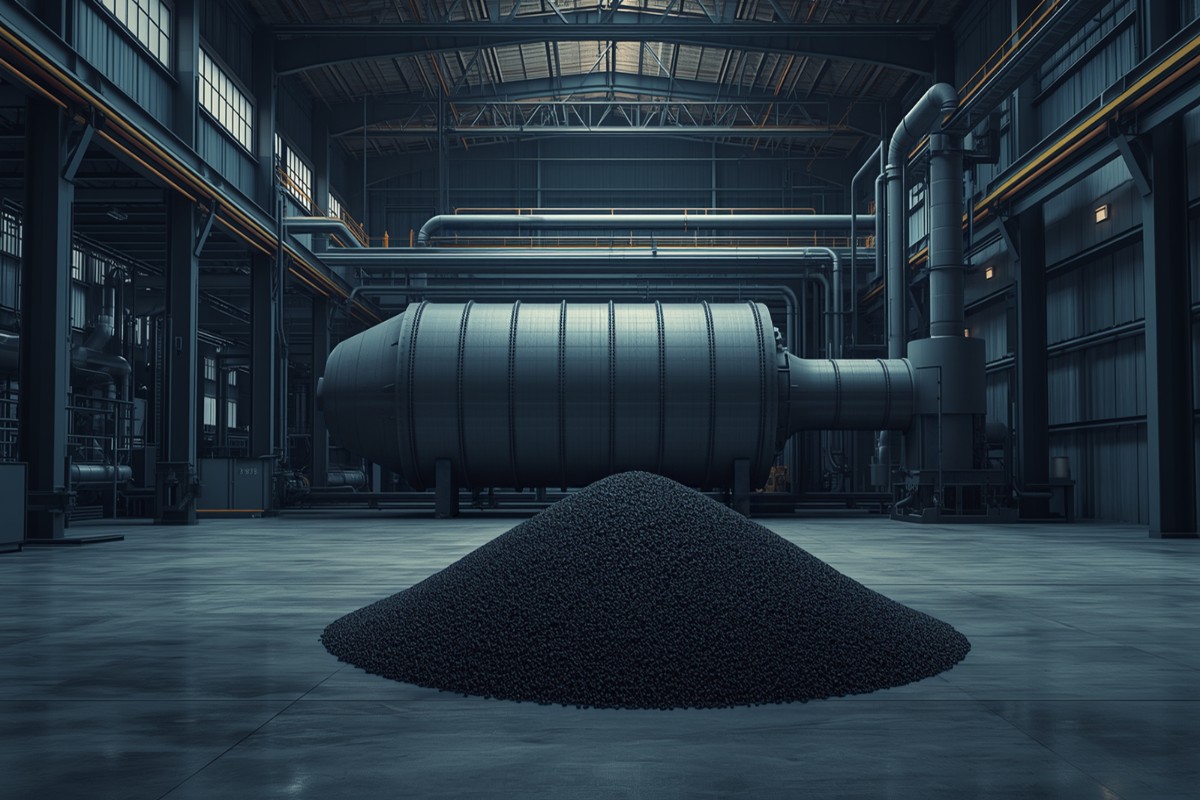
Raw material and end-use determine preparation, carbonization controls, cooling, sizing and packing. If your goal is fuel-grade charcoal rather than soil or carbon applications, see our Charcoal Production Plants instead — each project here is configured after technical evaluation.
Rice husk, straw, stalk and similar crop residue evaluated for consistent carbonization.
Suitable wood chips, pieces and sawdust considered for biochar production.
Selected woody biomass assessed for stable-carbon output.
Cooling, screening and sizing planned around the intended soil or blending application.
Each stage is configured around your specific raw material and the carbon stability and particle sizing your end use requires — soil amendment, composting or carbon-sequestration projects each call for slightly different finishing.
Review material type, availability, moisture, ash and target carbon stability.
Configure crushing, drying, storage and controlled feeding where required.
Carbonization process and controls matched to the intended biochar characteristics rather than fuel-grade output.
Safe cooling, screening and sizing suited to soil application, composting or blending, plus handling and packing.
The intended end use is defined before the machinery scope is finalized.
Biochar improves soil structure, water retention and nutrient efficiency when incorporated into agricultural or horticultural soils.
Stable-carbon biochar suited to long-term carbon storage and carbon-credit or drawdown initiatives.
Biochar sized for blending into compost systems or organic fertilizer formulations — complements a Biofertilizer Plant.
Share the basic project details so our team can evaluate the appropriate plant configuration.
Both are produced through similar controlled carbonization (pyrolysis) of biomass, but they are finished for different end uses. Charcoal is typically sized and finished for fuel or industrial combustion. Biochar is finished for soil application, composting or carbon-sequestration use, with more emphasis on stable carbon content and particle sizing suited to soil incorporation rather than burn characteristics.
Agricultural residues such as rice husk, crop stalk and straw, along with wood, sawdust and bamboo, can be evaluated as biochar feedstock. Suitability depends on moisture, ash content and the availability of consistent volumes.
Yes. Biochar sized and finished for blending into compost or organic fertilizer formulations can be planned as part of the plant configuration, complementing a biofertilizer production line.
Capacity is selected from dependable raw-material availability, operating hours, target carbon stability and the intended soil-application or downstream blending requirement.